Why Modern Vehicle Keys Require More Than a Simple Cut
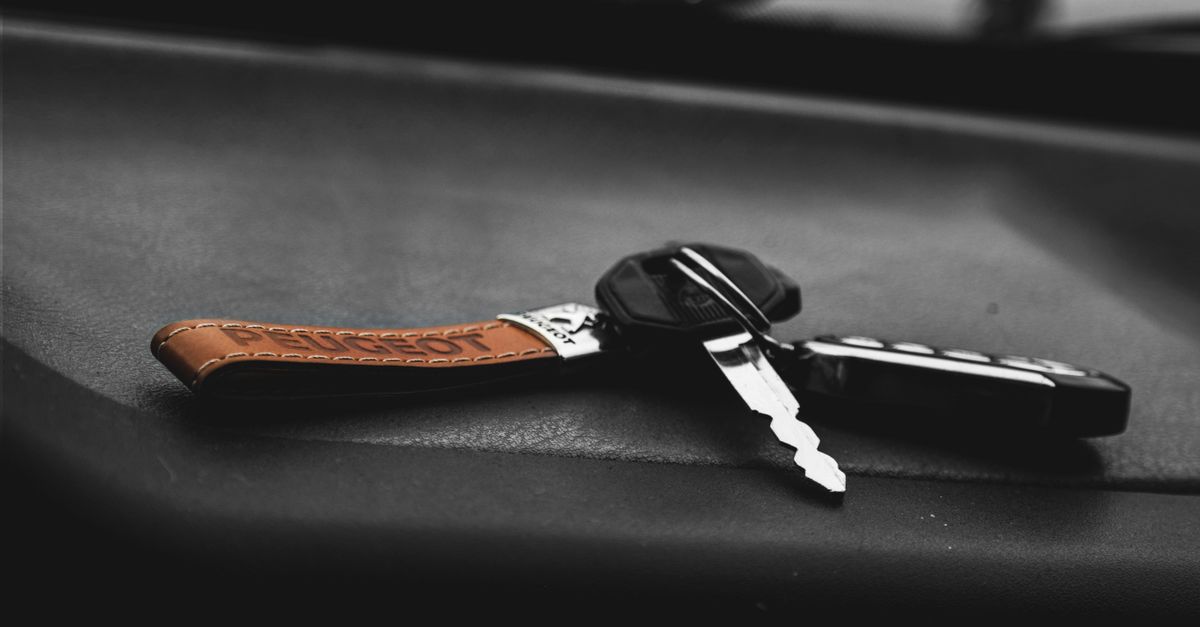
Vehicles manufactured after the mid-1990s almost universally contain a transponder chip embedded in the key head. When you insert the key and turn the ignition, the car's immobilizer module sends a radio-frequency signal to the chip; if the chip returns the correct encrypted code, the engine is permitted to start. A mechanically correct blade that lacks a programmed chip will crank the engine but prevent it from running — a detail that catches many drivers off guard when they rely on uncertified copying kiosks. Our technicians use professional key-cutting equipment paired with OBD-II programming interfaces to generate both the correct blade profile and the correct transponder identity in a single, on-site session.
Beyond transponders, many late-model vehicles use proximity fobs (also called smart keys or push-to-start keys) that communicate over a rolling-code radio protocol. These require the technician to access the vehicle's body control module and write a new key ID — a process that differs significantly by make and model. Summit's mix of commuter households means our vans regularly see everything from older American sedans still parked near the train station to high-end European models in the Braemer and Ashwood neighborhoods. Our team maintains up-to-date software subscriptions that cover current and legacy platforms alike.